

Positive Training for Happy Cats
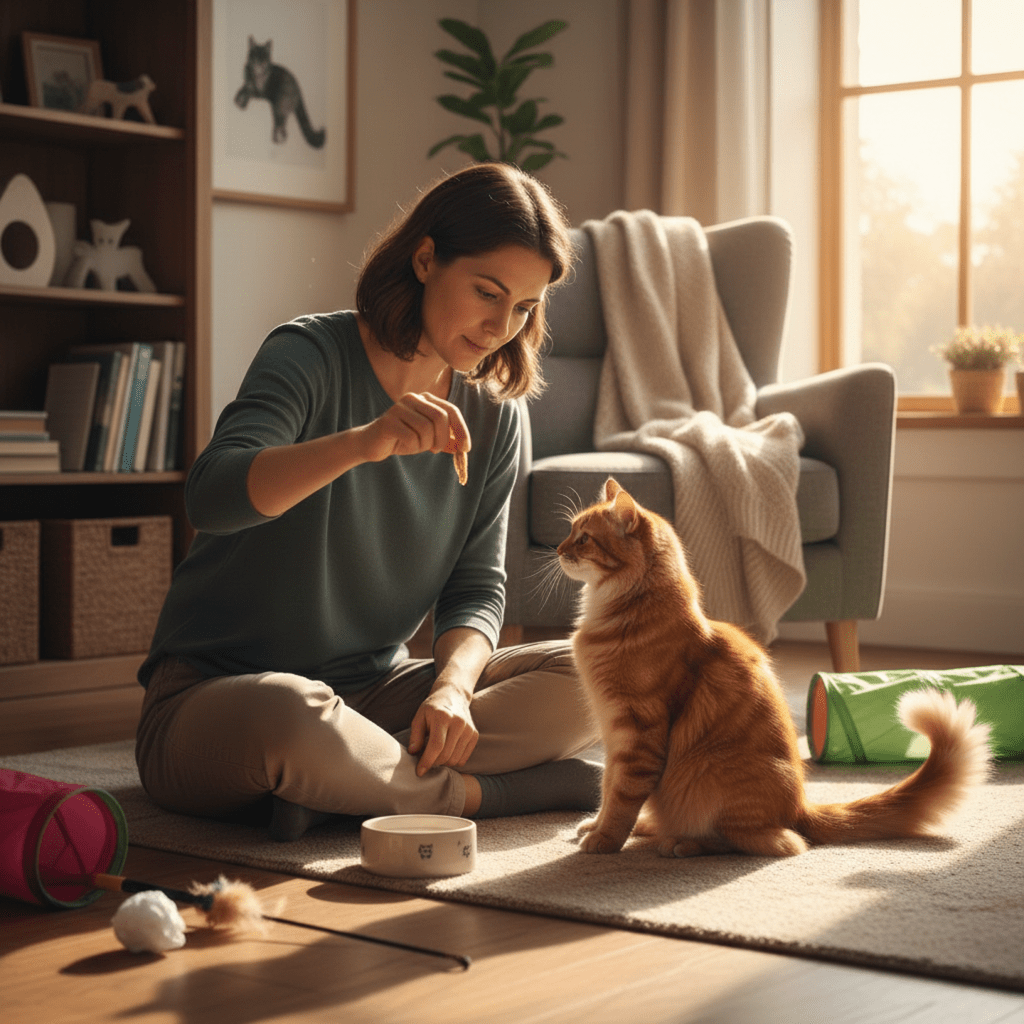
Build trust and good behavior using gentle, reward-based training methods.
Positive training helps cats learn good behavior through patience, rewards, and trust. By using treats, praise, and gentle guidance, you can encourage your cat to listen and cooperate without fear or stress. This approach strengthens your bond, builds confidence, and keeps your cat mentally stimulated, calm, and happy while learning new skills.
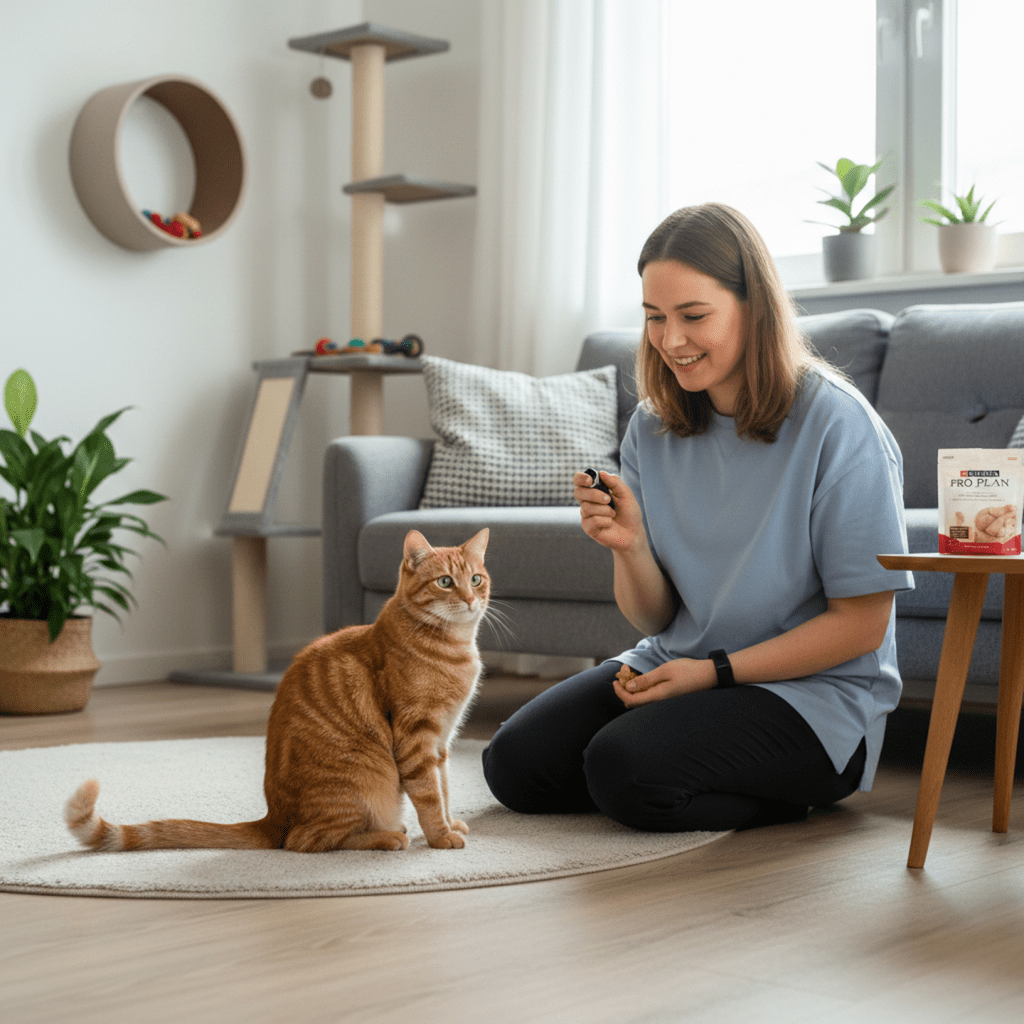
Cat Training Basics
Cats respond best to positive reinforcement, not punishment. Training sessions should be short (2–5 minutes) and fun.
Book NowEssential Cat Behaviors to Train
Litter Box Use Keep the box clean and in a quiet place. Show the cat the box immediately after meals or naps. Reward with praise or treats when used properly.
Book NowAdvanced Tricks for Cats
Roll over Spin in a circle Jump through a hoop Fetch small toys Play dead
Book NowGrooming Appointment Booking Form
Frequently Asked Questions
Yes! Cats can be trained using positive reinforcement like treats, praise, or play. They may not behave like dogs, but they can learn commands, routines, and good habits when training is consistent and rewarding.
The best method is reward-based training. When your cat does something right, immediately reward them with a treat or affection. Avoid punishment—it can make cats fearful and slow down learning.
Training time varies by cat and behavior. Simple tasks (like using a scratching post) can take a few days, while commands or leash training may take weeks. Short, daily sessions (5–10 minutes) work best.
Older cats can absolutely be trained! While kittens may learn faster, adult and senior cats can still learn new behaviors with patience and consistency.